

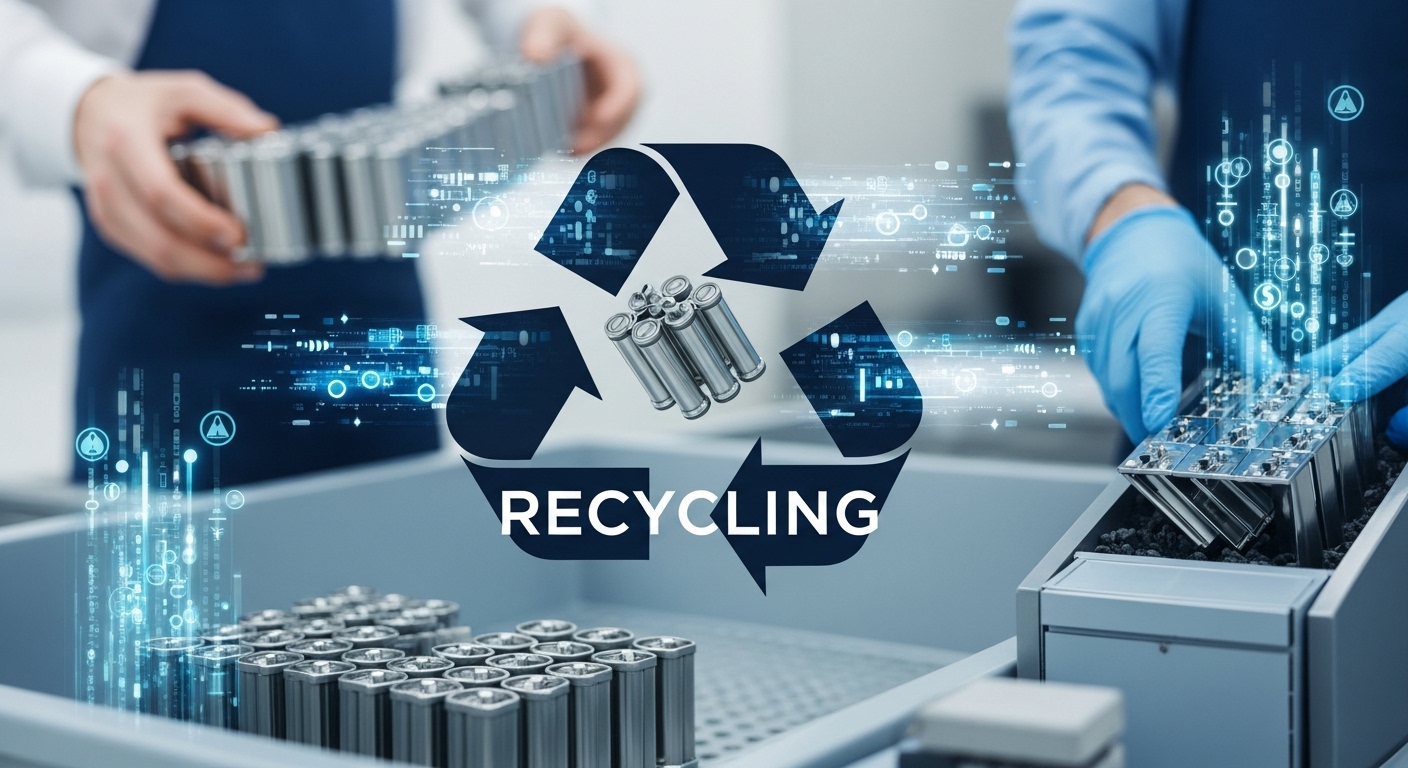
China is establishing a comprehensive system that will assign a unique “digital identity” to power batteries used in new energy vehicles, enabling transparent tracking of the entire battery process, from production to end-use, recycling and reuse. The country’s top industry regulator said this step was taken to promote safe, environmentally friendly and efficient recycling.
The new regulations aim to create a standardized management mechanism, especially at a time when the amount of batteries to be retired by 2030 is expected to exceed 1 million metric tons per year. The digital identification code to be assigned to batteries will record all stages from the moment the product is manufactured to the final recycling stage.
Officials remind that power batteries contain precious metals such as nickel, cobalt, manganese and lithium, as well as toxic substances that can harm the environment if not handled properly, emphasizing that proper recycling practices are critical. By 2025, more than 400,000 metric tons of used NEV batteries had been recovered in China, and recycling rates are steadily increasing.
Consumers must only hand in old batteries to authorized recyclers, while manufacturers must fulfill data security and traceability obligations, the ministry said. The regulations also include administrative sanctions covering areas such as proper coding, correct processing and information reporting.