
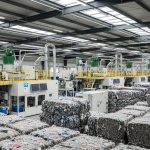

A new study highlights that increasing textile recycling rates in the European Union has a major positive impact on the environment. As sustainability becomes a key priority for industries, this research reveals the significant environmental benefits of textile recycling, such as waste reduction and lower carbon emissions.
Although the textile sector is one of the most resource-intensive industries, improving recycling practices can help the EU reduce the environmental impact of this sector. The study reveals that increasing textile recycling rates not only reduces waste, but also helps to preserve valuable raw materials and reduce the need for new fibers. This contributes to the circular economy. Furthermore, more efficient recycling processes reduce energy consumption and greenhouse gas emissions, aligning with the EU’s 2030 sustainability goals.
In addition to environmental benefits, increasing textile recycling also offers economic advantages. It creates new jobs and strengthens the EU’s position as a global leader in sustainable practices. As the EU sets more ambitious targets, efforts to increase textile recycling are aligned with broader climate and circular economy initiatives.
This study reminds us once again how important it is to support textile recycling projects at both consumer and industry levels and contributes to accelerating the transition towards a sustainable future.
For More Information: Environment news
Related Posts



New EU Regulation on Textile Waste: Producer Responsibility Increases
The European Parliament has approved an important regulation to reduce textile waste in February 2025.…
New Global Initiative Launched to Reduce Environmental Impact in Fashion and Construction
The United Nations Environment Program (UNEP) has announced a new initiative aimed at reducing the…