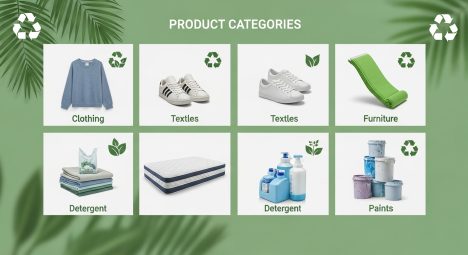

The French government has taken an important step towards transparent disclosure of the environmental impact of textile products with Decree No. 2025-957 and related regulation published on September 9, 2025. This regulation specifically covers new or remanufactured textile products, such as clothing, and excludes second-hand products.
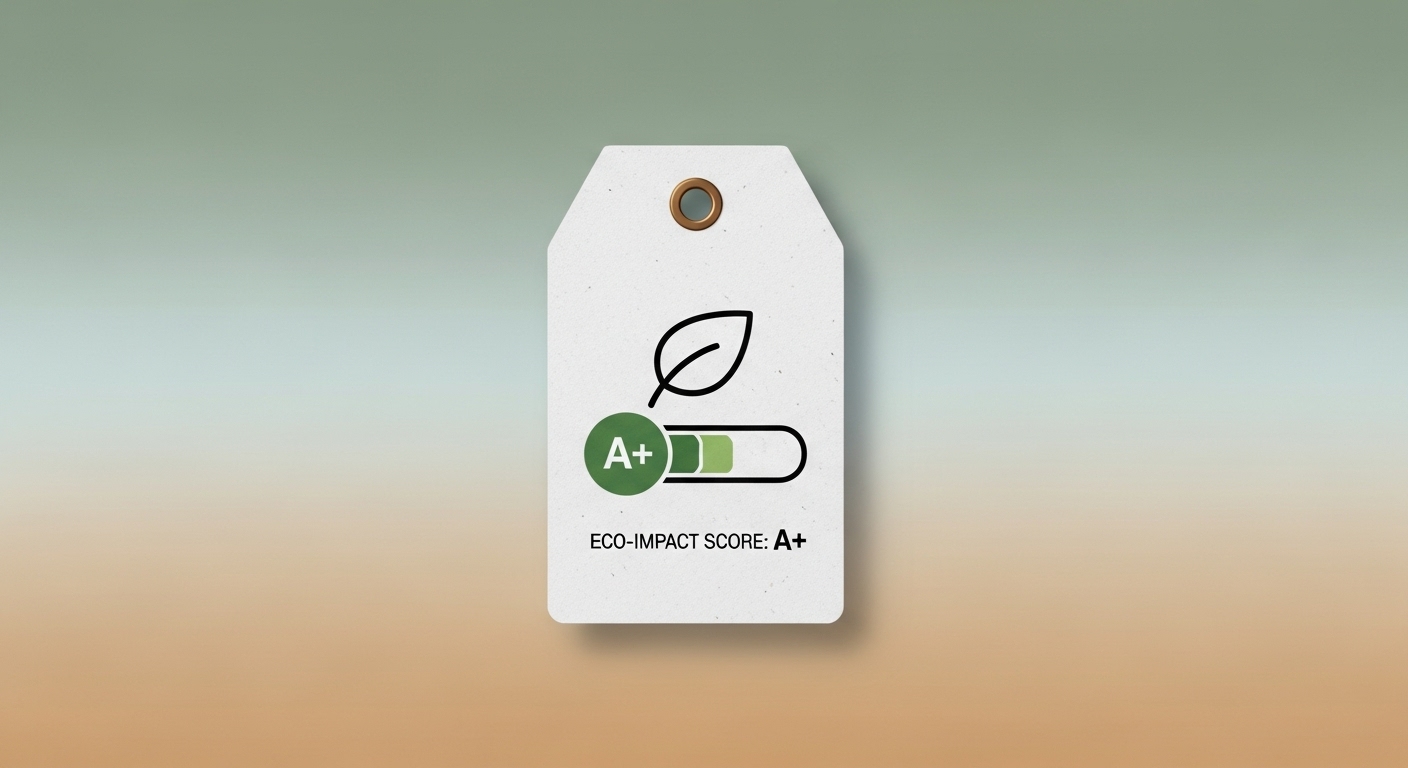
At the heart of the regulation is a numerical score (“impact score”) that shows the environmental impact of products throughout their life cycle (from raw materials to end use). The calculation of this score, while initially voluntary for brands, is subject to a strict methodology. In addition to the 16 categories in the EU’s environmental footprint (PEF) methodology, the methodology assesses two textile-specific impact areas, such as microfiber release and exports outside the EU. Furthermore, the modeled lifetime is adjusted using a ‘durability coefficient’ based on criteria such as the ease of repair of the product. From October 1, 2025, brands will be able to voluntarily display this environmental score on the garments they sell. However, from October 1, 2026, there will be a significant change: If a brand does not publish its environmental score, retailers, NGOs or other third parties will be authorized to calculate and publicly disclose the environmental cost of these products without the brand’s prior consent. This move aims to raise consumer awareness and increase environmental responsibility in the sector. The calculation details will also be available through an official online portal.
Related Posts

New EU Regulation on Textile Waste: Producer Responsibility Increases
The European Parliament has approved an important regulation to reduce textile waste in February 2025.…