


Extended Producer Responsibility (EPR) came into force in 2024, a key regulation that will dramatically transform packaging waste management. EPR makes businesses in the food and beverage sector directly responsible for the environmental impact of their packaging. Businesses are required to collect data on the material type, weight and recycling capacity of their packaging. Large companies in particular will pay an annual fee for recycling and waste management in proportion to the environmental damage caused by the packaging used.
The main objective of this new regulation is to encourage the use of sustainable packaging by requiring producers to participate in waste management processes. This will ensure more widespread use of recyclable materials and reduce waste. Businesses must start reporting their packaging data as of 2023 and complete their payments by 2025 in line with this data. During this time, they will have to bear the costs associated with recycling packaging waste.
The regulation emphasizes that recycling obligations are not limited to waste management; the sustainability of materials used in the production process will also be taken into account. Food and beverage producers will therefore need to invest in innovative and environmentally friendly solutions when choosing packaging. This obligation imposed by the EPR will drive companies towards packaging solutions that not only recycle but also consume fewer resources.
The aim is to strengthen the circular economy and protect natural resources. Manufacturers will have to reduce their environmental impact by increasing the recyclability of their packaging. In particular, options such as reducing the use of plastics and switching to biodegradable materials come to the fore. Making the raw materials used in packaging production more sustainable will be one of the most important responsibilities that companies will undertake under the EPR.
With the implementation of EPR, costs that were previously borne by municipalities and waste management companies will now be transferred directly to producers. This pushes producers towards a more responsible waste management approach and makes it mandatory for packaging to be environmentally friendly. The direct contribution of producers to recycling and waste management processes is critical to reducing waste and minimizing negative impacts on the environment. As a result, the Extended Producer Responsibility (EPR) regulation requires all producers, particularly in the food and beverage sector, to do more in relation to packaging waste.
Related Posts

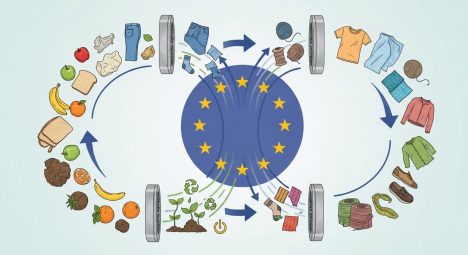
EU Waste Framework Directive Renewed: Food and Textile Waste Transformation Begins
The European Union is undertaking a comprehensive revision of the Waste Framework Directive to increase…

New EU Regulation on Textile Waste: Producer Responsibility Increases
The European Parliament has approved an important regulation to reduce textile waste in February 2025.…

