
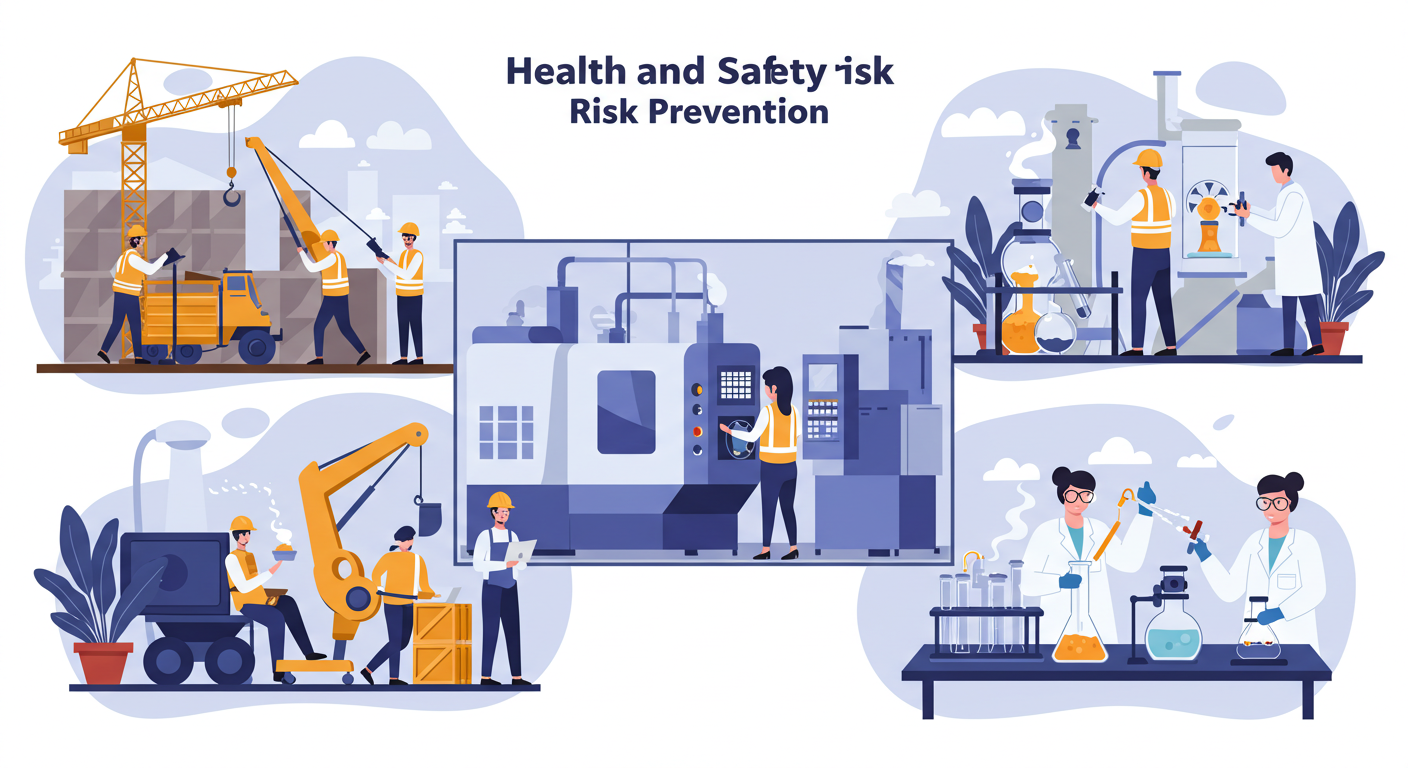
The European Agency for Safety and Health at Work (EU-OSHA) has announced its new strategic plan for the period 2025-2034. This strategy, prepared within the framework of the European Union’s long-standing commitment to occupational health and safety, aims to protect workers and ensure safe working conditions by anticipating future risks.
Over the next decade, the EU will face many important challenges, such as digitalization, climate change, demographic transformations and the accession of new Member States. EU-OSHA has identified three key strategic priorities to address the impact of these changes on occupational health and safety:
- Providing evidence and information for policy and research
EU-OSHA will conduct extensive research to identify new and existing risks in the field of occupational health and safety and to provide data-driven solutions to policy makers, researchers and the business community. This will help to develop more informed policies to tackle occupational accidents and diseases. - Developing tools and resources for risk prevention
The agency aims to support companies and employees to achieve safe working conditions by providing practices and guidelines to improve safety and health in workplaces. For example, specific solutions will be developed for new business models emerging with digitalization and remote working. - Awareness raising and strengthening cooperation networks
Awareness campaigns will be organized to promote a culture of health and safety at work. Collaborate with social partners, government agencies and business representatives across the EU to share best practices on occupational health and safety.
EU-OSHA’s 2025-2034 strategy aims to not only prevent existing risks, but also take a proactive approach to future threats. In managing this process, the agency will align with the EU’s overall occupational health and safety policies and focus on building a safer future for workplaces.
This new roadmap is considered an important step towards reducing occupational accidents, preventing occupational diseases and strengthening occupational health and safety culture. Businesses and employees are expected to adapt to the priorities set out in this strategy.
For more information see EU OSHA Strategy 2025-2034