
What is Tear Resistance and Why is it Important?
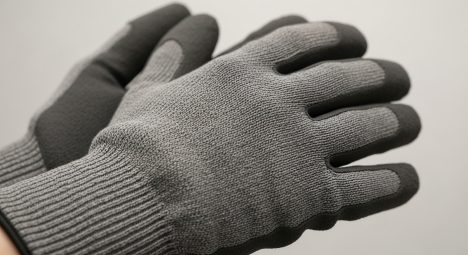
Tear resistance is a critical test that determines how resistant protective gloves are to tears. This test is essential to ensure the durability and safety of gloves used in particularly harsh working environments. At USB Certification laboratory, we perform tear resistance determination in accordance with TS EN 388+A1:2019 and TS EN 407:2020 standards.
What are TS EN 388 + A1: 2019 and TS EN 407: 2020 Standards?
TS EN 388 + A1: 2019 and TS EN 407: 2020 standards are test methods that determine the resistance levels of protective gloves against mechanical and thermal risks. These standards assess how well gloves resist tearing and meet safety standards. In our laboratory, we conduct tests in accordance with this standard, ensuring that your gloves comply with safety standards.
Importance of Tear Resistance Tests
Tear resistance tests are vital to determine how durable protective gloves are under harsh conditions and how long they can protect the wearer. These tests help to ensure that your products meet the requirements of CE certification processes and also give your products a competitive advantage in the marketplace.
Importance in terms of Environment and Area of Use
Tear resistance determines not only the durability of the material, but also how resistant it is to environmental factors. Determining the tear resistance of your products ensures that they can be used safely and effectively in a variety of industrial applications.
Tear Resistance Test Process in Our Laboratory
tear resistance determination in our laboratory is based on the principle of measuring the force required to move a tear created on a rectangular specimen along the specimen. Specimens are placed in the tensile testing machine at a certain speed and the tearing force is recorded.
Sample Preparation and Test Process
The testing process starts with the preparation of the specimens according to certain standards and their conditioning in a laboratory environment. The specimens are cut into rectangular shapes, placed in a tensile testing machine and pulled at specific speeds to measure the tearing force. The data obtained is used to determine the tear resistance of the specimen and the results are reported.
Additional Services We Offer to Our Customers
As USB Certification, in addition to our tear resistance determination service, we also offer you guidance in the CE certification process. You can increase the reliability of your products by taking advantage of our expert consultancy services on compliance with international standards.
Why USB Certification?
At USB Certification, we offer our customers reliable and high-quality testing services. As a CE notified body, we work in accordance with international standards and ensure that your products gain a competitive advantage in the global market.