
UV Accelerated Weathering Tests

Test the Durability of Your Materials
UV Accelerated Weathering Tests with USB Certification

At USB Certification, we offer comprehensive UV accelerated weathering testing services to maximize the durability and performance of your products. In our laboratories, in accordance with international standards, we test your materials by exposing them to various environmental factors such as UV light, humidity and temperature. Our team of experts will analyze the test results in detail, helping you to improve the quality and reliability of your products.

What are Accelerated Weathering Tests?

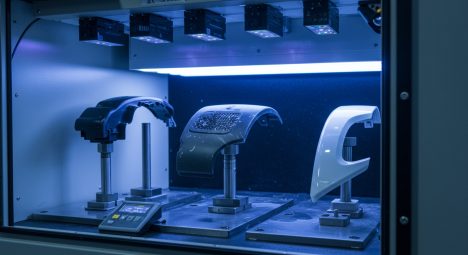
Accelerated weathering tests are an important method used to evaluate the durability and shelf life of materials and products by simulating the environmental conditions to which they may be exposed in long-term use. These tests help to identify potential performance issues before products go to market. While real-time aging tests can take a long time, accelerated tests provide results in a shorter time. This saves cost and time.

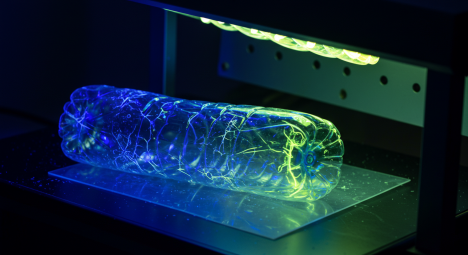
Ultraviolet (UV) rays, as part of sunlight, have significant effects on materials. It can cause discoloration, cracking, embrittlement and structural deterioration, especially in materials such as plastics, polymers, paints, textiles and wood. Exposure to UV radiation can adversely affect the physical and chemical properties of materials and shorten the lifetime of products. UV weathering tests therefore play a critical role in measuring the durability of materials against these adverse effects.

UV accelerated weathering tests provide a fast and effective way to assess the shelf life, durability and reliability of products. These tests simulate the effects of outdoor exposure to factors such as sunlight, humidity and temperature in a laboratory environment. Thus, information on the long-term performance of products can be obtained in a short time. It is particularly important for the following purposes:

  • Shelf life determination: Labeling products by predicting the period during which they are suitable for use.
  • Material durability: To verify the physical and chemical stability of the device’s materials.
  • Product safety: To guarantee that products do not degrade in performance over time.
  • Fast time to market: Shorten time to market with quick results instead of waiting for lengthy real-time testing.
  • Quality control: Ensures that products comply with international standards.
  • Product development: Enables the development of materials and products that are resistant to environmental factors.
Standards for UV Accelerated Weathering Tests

UV accelerated weathering tests are performed in accordance with various industry standards. These standards ensure that tests are performed accurately and reliably. At USB Certification, we adhere to the following standards in our testing processes:

ASTM Standards

ASTM D4329: Standard for the exposure of plastics to fluorescent UV light. This standard is used to test the resistance of plastic materials to UV radiation.
ASTM D4799: Accelerated weathering test method for bituminous materials. It evaluates the resistance to UV and moisture conditions, especially for materials such as roofing.
ASTM D4587: Fluorescence UV-condensation test standard for paints and related coatings. It measures the resistance of paints and coatings to UV light and moisture cycles.
ASTM D5208: Standard for UV and condensation testing of photodegradable plastics. This standard is used to measure the rate of degradation of plastics when exposed to UV light.
ASTM G151: Standard for testing non-metallic materials in accelerated testing machines. It covers aging tests of materials using laboratory light sources.
ASTM
It is the working standard for fluorescent light devices used for the exposure of non-metallic materials to UV light. This standard is used to assess the durability of materials exposed to UV light.
DIN EN ISO 4892-1: Standard for general guidance on methods of exposure of plastics to laboratory light sources. It defines the method of testing the durability of plastic materials by exposing them to light in a laboratory environment.

DIN EN Standards

DIN EN 12224: Weather resistance test standard for geotextiles and geotextile-related products. It measures the resistance of geotextiles to UV light and weathering.
DIN EN 1297: Artificial ageing test standard for flexible sheets for waterproofing (bitumen, plastic, rubber) with prolonged exposure to UV, temperature and water. It tests the resistance of roof waterproofing materials to long-term environmental conditions.
DIN EN 13523-10: Test standard for the resistance of coil-coated metals to fluorescent UV light and water condensation. It measures the resistance of metal coatings to UV light and moisture.

EN and ISO Standards

It is a test standard for the exposure of paints and varnishes used for outdoor wood coatings to artificial weathering using fluorescent UV and water. It measures the resistance of wood coatings to UV light and moisture.
ISO 11997-2: Standard for determining the resistance of paints and varnishes to cyclic corrosion conditions. It measures the effect of environmental factors such as salt fog, dryness, humidity and UV light on paints.
ISO 16474-3: Standard for methods of exposure of paints and varnishes to laboratory light sources. It defines methods for testing the lightfastness of paints using fluorescent UV lamps.
ISO-Logo
ISO 4892-3: Standard for methods of exposure of plastics to laboratory light sources. It defines methods for testing the lightfastness of plastics using fluorescent UV lamps.
prEN 1062-4: It is the test standard for the resistance to UV rays and water of paints used for exterior walls. It is used to test the resistance of exterior coatings against environmental conditions.
SAE J2020: Accelerated exposure test standard for automotive exterior materials using fluorescent UV and condensation devices. It measures the resistance of materials used in the automotive industry against factors such as UV, humidity and temperature.

Other Standards

TS EN ISO 11985: Optics – Eye – Contact lenses – Aging by exposure to UV and visible radiation (in vitro method). It is used to test the durability of contact lenses after exposure to UV light.
TS EN 1903: Adhesives – Test methods for adhesives used for plastic or rubber, floor or wall coverings – Determination of size changes after accelerated aging. It is used to measure the size changes of adhesives after accelerated aging.
Factors Evaluated in UV Accelerated Weathering Tests

The following factors are taken into account during UV accelerated weathering tests:

  • Temperature: Testing is usually performed at high temperatures (55-70°C). This accelerates chemical degradation and physical deformations.
  • Humidity: High humidity levels mimic product exposure to water or steam.
  • UV Light: Used especially to test the durability of plastic and polymer-based products.
  • Test Duration: It is determined by considering the service life of the material to be tested and the exposure time to environmental conditions.
  • Material Properties: The chemical and physical structure of the material under test.
  • Packaging: Durability and protection ability of the product packaging.
Test the Durability of Your Products!

GET OFFERApplication Form
Application Form
You can fill out the form below to get preliminary information about our services or to meet with us, or you can contact us at +90 216 706 95 46 to meet with our experts.
Please enable JavaScript in your browser to complete this form.
Dynamic choice
Kvkk

Contact us for more information!

Assess your products’ resistance to environmental factors with our UV accelerated weathering tests.